Transcranial Magnetic Stimulation: Could This Non-Medication Treatment Help You?
What Is TMS (Transcranial Magnetic Stimulation)?
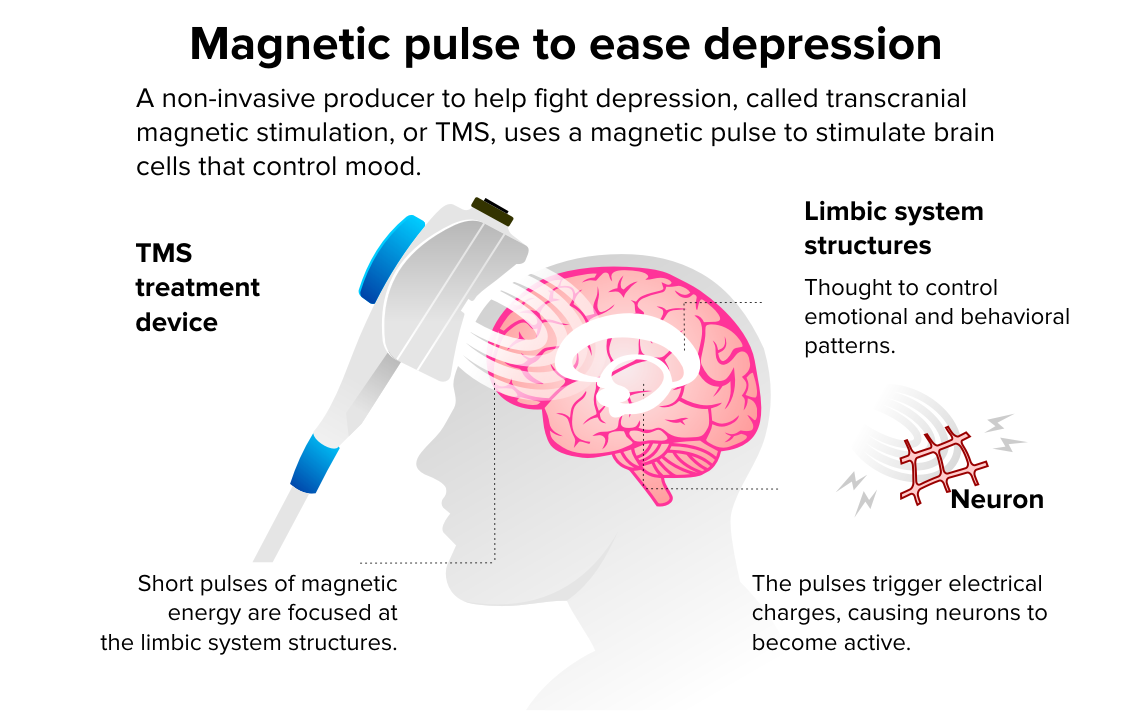
TMS therapy uses targeted magnetic pulses to stimulate specific areas of the brain involved in mood and emotional regulation. Unlike medication, TMS works directly on the brain, rather than affecting the whole body.
Here’s what you should know:
Non-invasive — no surgery or anesthesia required
Sessions typically last 20–30 minutes
You’re awake and alert during treatment
Minimal side effects — most commonly mild scalp discomfort or headache
Most people return to their normal routine immediately after a session.
Who Should Consider TMS?
TMS therapy is often recommended for people who:
Have depression that hasn’t responded to medication
Want a non-medication treatment option
Struggle with emotional numbness, anxiety, or mood swings
Have tried therapy but still feel stuck
It can also help people with anxiety, OCD, PTSD, and other mood-related conditions. TMS isn’t a last resort — it’s a next step for anyone ready to explore a different approach.
Why Choose TMS Over Medication?
Medication can be lifesaving, but side effects, trial-and-error dosing, and emotional blunting can be exhausting. TMS offers a different path because it:
Targets the brain directly
Requires no daily pill
Often improves mood, motivation, and emotional clarity
Has minimal side effects
Many people find it helps them feel more like themselves, without the compromises that medication sometimes brings.
What Does TMS Feel Like?
Most people describe TMS as a tapping or knocking sensation on the scalp. Sessions become easier with time. People often notice gradual improvements in:
Mood and emotional balance
Motivation and energy
Emotional resilience
Why We’re Talking About This on This Way Up
At This Way Up, we explore healing, reinvention, and moving forward when life throws challenges our way. TMS therapy fits perfectly into that conversation:
You’re not broken. Your brain may just need support in a different way.
In my conversation with Dr. Suzanne Kerns, we cover:
How TMS works
Who benefits most
Common fears and misconceptions
What people rarely hear about mental health treatment
Listen to the Episode
If you’re curious about TMS therapy — or wondering whether there’s a new path to mental wellness — listen to my conversation with Dr. Suzanne Kerns on This Way Up.
Listen here: https://www.thiswayuppodcast.com
Mental health isn’t a solo journey. Exploring new options is part of moving This Way Up.

Your Body Knows Before Your Brain Does

